 Sunrise Marine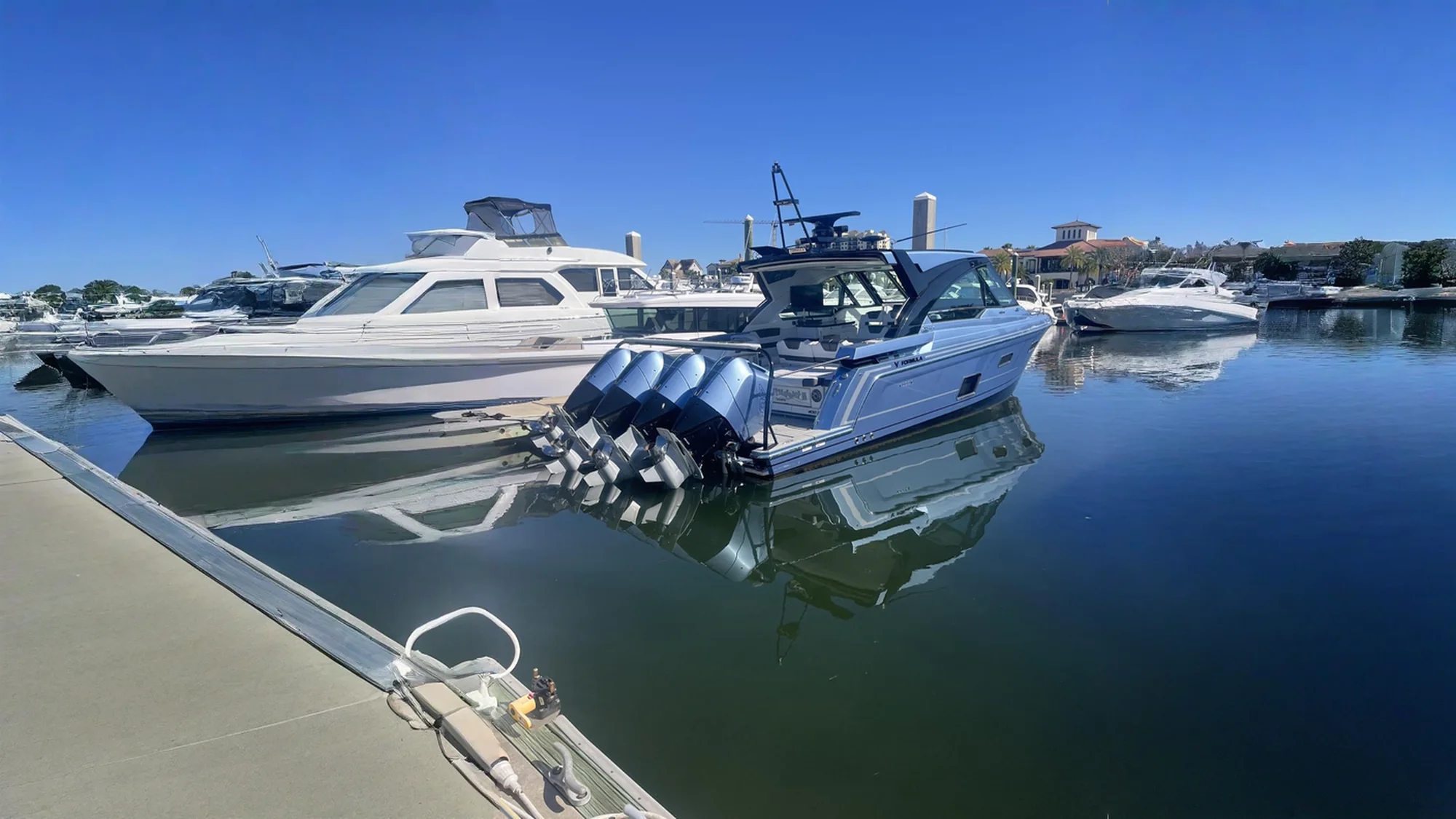
Most boats kept in Florida saltwater should receive a full detail at least once a year, and twice a year is better for heavily used vessels. Salt, intense UV rays, and high humidity create tough conditions that break down gel coat and paint faster than in most other states.
Why Florida Is Hard on Boats
Florida has some of the strongest UV radiation in the country. The sun works on your gel coat every single day. Add salt spray and warm, humid air, and the damage adds up fast.
Salt does not just sit on the surface. It gets into small cracks, hardware, and upholstery. It speeds up corrosion and fading. A boat used in Tampa Bay or the Gulf of Mexico faces these conditions year-round, not just in summer.
This is why Florida boat owners generally need to detail more often than boat owners in cooler or drier states.
What Is Boat Detailing? A Plain Definition
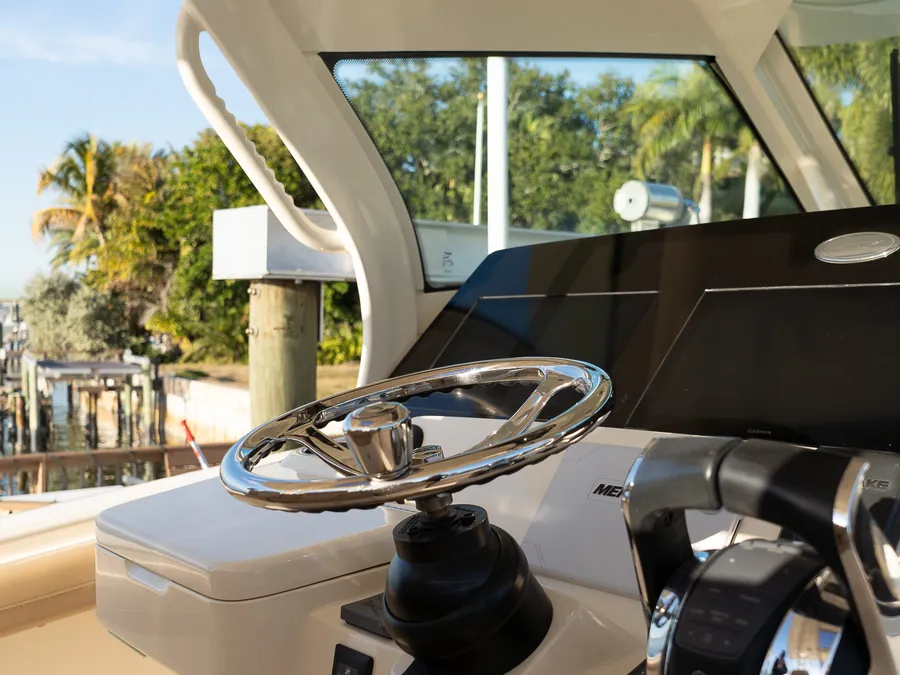
Boat detailing is a thorough cleaning and protective treatment of your boat's surfaces. It goes well beyond a simple rinse. A full detail typically includes washing, polishing, and waxing the hull and deck, plus cleaning the interior.
The goal is to remove contaminants, restore the finish, and apply protection. This slows down future damage from salt, sun, and grime.
A General Schedule for Florida Saltwater Boats
There is no single answer that fits every boat. Use size, age, and usage as your guide. Here is a starting framework most Tampa Bay boaters find practical.
Every Month: Maintenance Wash
A recurring maintenance wash removes salt, bird droppings, and algae before they cause damage. Think of it like washing your car after a beach trip. Skipping these washes lets contaminants etch into the gel coat over time.
Monthly washes also let a detailer spot small problems early. Catching a blistering spot or early oxidation saves you money down the road.
Every 6 to 12 Months: Buff and Wax / Full Detail
A buff and wax or full detail should happen at least once a year for the average Florida boat. Boats used several times a week may need this every six months. This service polishes out surface scratches, removes minor oxidation, and lays down a fresh protective wax coat.
A full detail also covers the interior. Salt and moisture work on upholstery, carpets, and non-skid surfaces too. Pairing an exterior polish with a deep boat interior cleaning keeps every part of your boat in good shape.
As Needed: Oxidation Removal
If your hull looks chalky, dull, or faded, you have oxidation. Do not wait on this. Oxidation gets worse the longer it sits. Boat oxidation removal uses compounds and polishing to cut through the damaged layer and reveal fresh gel coat underneath.
In Florida, boats stored outdoors without covers can show visible oxidation in as little as one to two years. Even boats kept in covered slips are not fully protected from reflected UV light and salt air.
How Ceramic Coating Changes the Schedule
A ceramic coating is a liquid protective layer applied over polished gel coat or paint. Once it cures, it creates a hard, hydrophobic surface. Water and salt bead up and run off instead of soaking in.
Ceramic coating does not make your boat maintenance-free. You still need regular washes. But it does reduce how often you need full polishing and waxing services. Many boaters find the interval between full details stretches considerably after a ceramic coating application.
It works best when applied to a surface that has already been polished and is free of oxidation. Think of it as a long-term investment in your gel coat.
Ready for a showroom shine?
Free quote, mobile to your dock across Tampa Bay. Same-week booking.
Signs Your Boat Needs a Detail Right Now
- The hull looks dull, chalky, or has lost its shine.
- Water no longer beads up on the surface.
- There are visible salt stains or waterline buildup.
- The interior smells musty or has visible mildew.
- The upholstery feels rough or looks faded.
Any one of these signs means it is time to act. Waiting makes the repair harder and more expensive.
Does Where You Keep Your Boat Matter?
Yes. A boat kept in a dry stack or covered slip holds up longer between details than one sitting on a trailer in the sun. But even covered boats collect salt air, moisture, and organic growth.
Boats moored in open water along the Gulf or Tampa Bay face the harshest conditions. If your boat sits in the water full-time, lean toward more frequent service, not less.
Boaters in communities like Dunedin, Tarpon Springs, Treasure Island, and Gulfport often find their boats need attention more often due to direct saltwater exposure. Local detailers who work those same waters understand what conditions your boat actually faces. Sunrise Marine Detailing serves those areas, including boat detailing in Tarpon Springs and boat detailing in Treasure Island, so the crew knows the local environment well.

The Bottom Line on Detailing Frequency
For most Florida saltwater boats, aim for monthly maintenance washes and a full detail at least once a year. If you use your boat often, bump that up to twice a year. Treat oxidation as soon as you see it. And consider ceramic coating if you want stronger long-term protection.
Consistent care keeps your gel coat looking good and holds the boat's value over time. Skipping details saves a little money now but costs more later when damage becomes serious.
Ready to Schedule?
Sunrise Marine Detailing serves the Tampa Bay area, including St. Petersburg and surrounding Pinellas County communities. The crew comes directly to your dock or slip, so there is no trailering required. Check out our boat detailing services in Tampa or contact us to get a quote for your boat's size and condition. Pricing varies by boat size and current condition, so reaching out is the fastest way to get an accurate answer.
FAQ
How often should I wax my boat in Florida?
Most Florida boats benefit from a wax application every six to twelve months. Heavy use and outdoor storage may mean you need it more often. Regular maintenance washes help the wax last longer between full services.
Can I just rinse my boat with fresh water instead of detailing it?
Fresh water rinses after every outing are a great habit and help remove loose salt. But rinsing alone does not remove embedded salt, oxidation, or organic growth. A proper detail is still needed on a regular schedule to protect the gel coat.
What happens if I skip detailing for a few years?
Oxidation deepens, gel coat becomes brittle, and stains become harder to remove. In Florida's climate, a few years of neglect can cause damage that takes significantly more work to correct, sometimes requiring heavy compounding or even repainting.
Is ceramic coating worth it for a boat kept in saltwater?
For boats used regularly in saltwater, ceramic coating is often a practical choice. It adds a durable layer of protection, makes cleaning easier, and can reduce how often you need full polishing services. The surface must be properly prepared before application for best results.
Do mobile detailers do the same quality work as a marina detailing shop?
Quality depends on the skills and products of the detailer, not the location. A skilled mobile crew can perform the same services at your dock that a shop would perform in a facility. The main advantage of mobile detailing is convenience: no trailering, no scheduling around marina hours.